

What would you do to protect your loved ones in the face of climate collapse? Would you defy your family? Your faith? Would you dig up the dead?
There Will Come Soft Rains asks these questions with an intimacy and urgency that sets it apart from any other climate film in recent memory. Elham Ehsas presents a narrative that is both deeply grounded in British-Pakistani Muslim identity and universally resonant in its exploration of love, grief, and resistance.
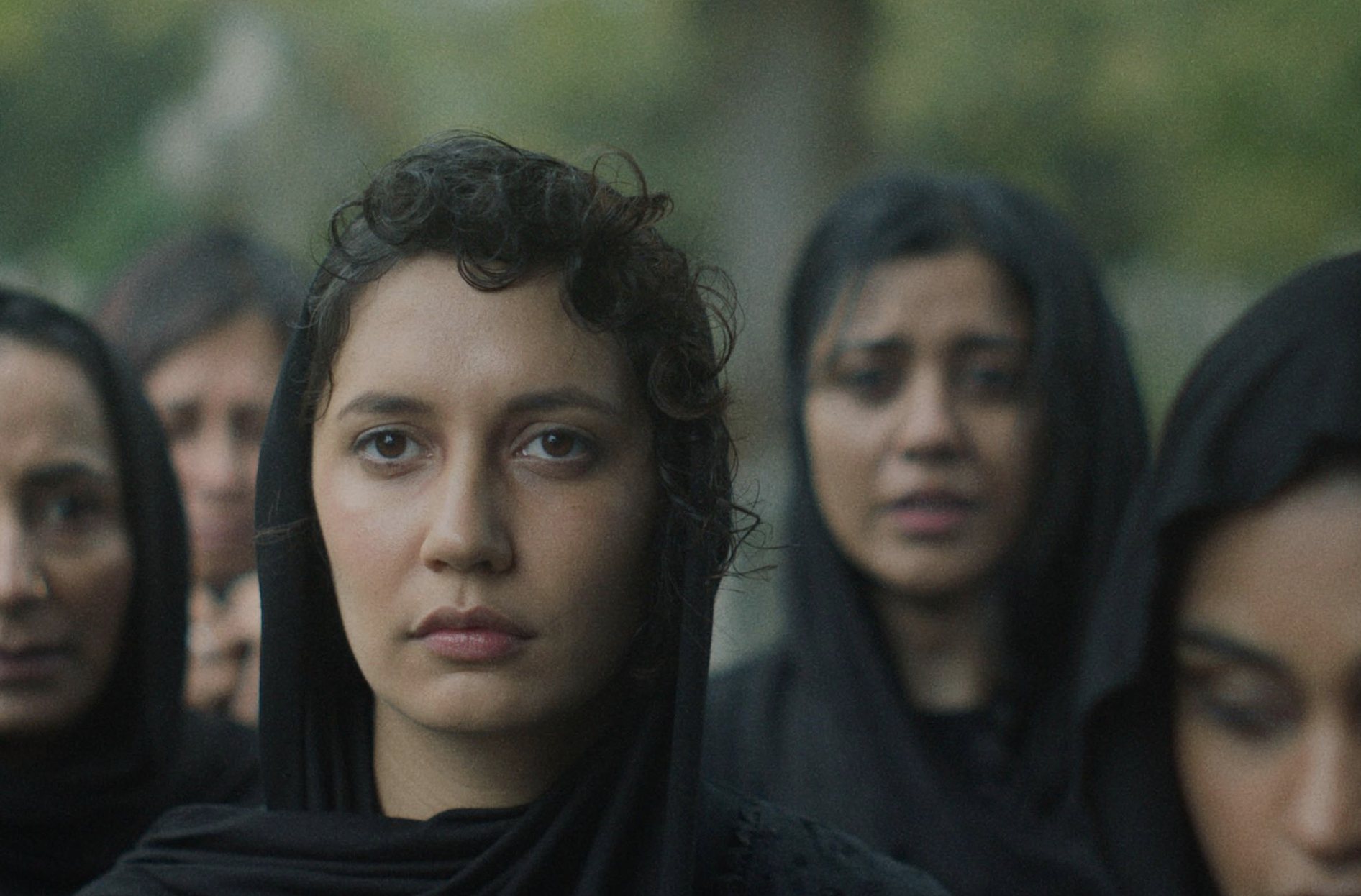
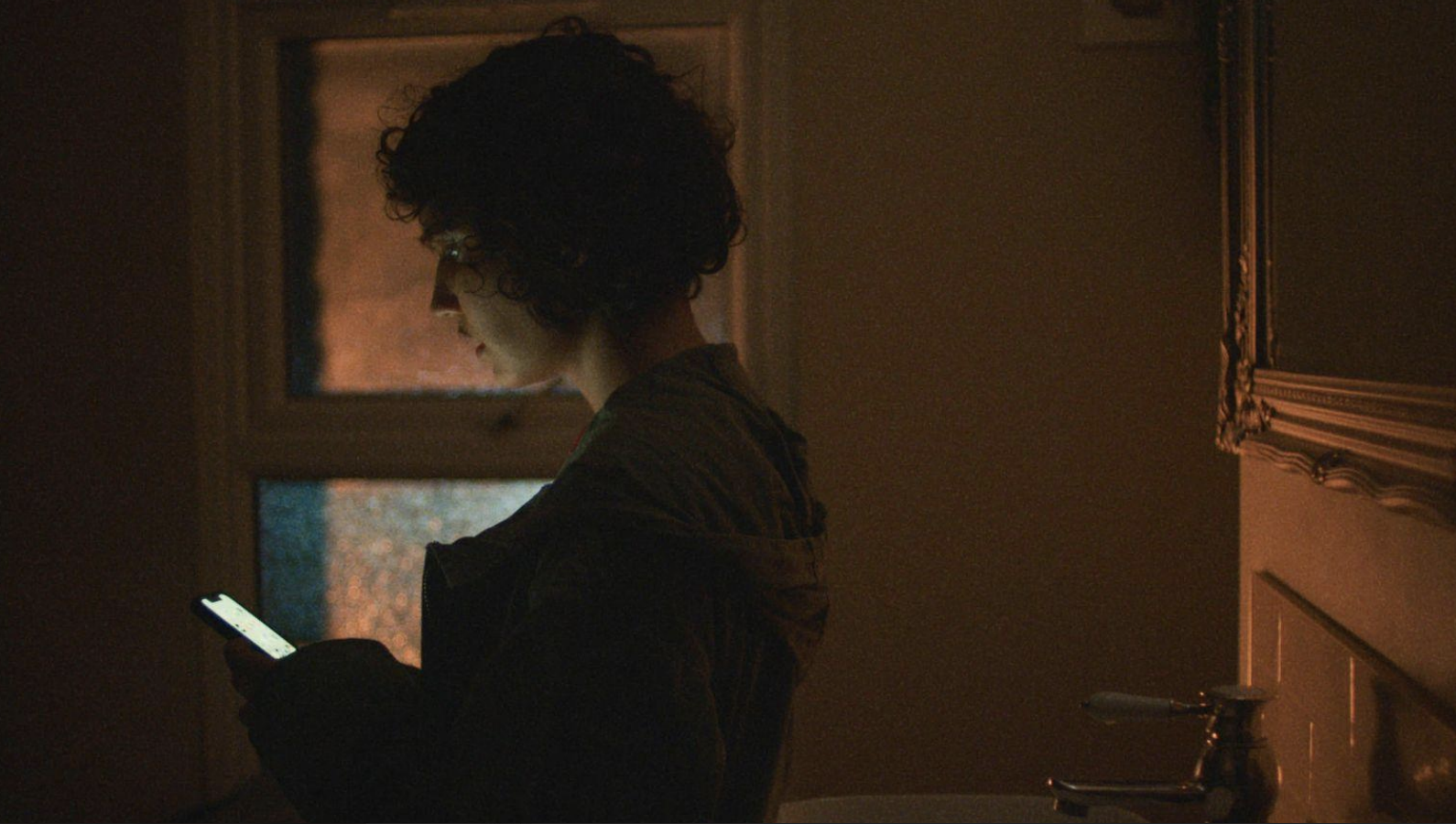
Olivia D’Lima’s Mira is a portrait of modern spiritual resilience. She is not simply reacting to climate change she is reckoning with it, in a way that is deeply tied to ancestry, obligation, and feminine courage. Her journey is not one of spectacle, but of soul-searching. As she begins to move her father’s body to higher ground, she isn’t just moving earth she is disturbing an entire moral order, one rooted in patriarchal systems and static tradition.
Yet, the film never vilifies religion. Instead, it shows how spiritual conviction and environmental action can and must coexist. This is climate storytelling through the lens of embodied faith, and it’s unlike anything we’ve seen on screen before.
The technical craft on display is equally impressive. Yiannis Manolopoulos’ cinematography brings a quiet grandeur to the natural world, while Rana Fadavi’s designs create a liminal space between sanctuary and confrontation. Rushil Ranjan’s score adds a musical undertow of longing, making the film feel timeless even as it speaks directly to our burning present.
What stays with you, ultimately, is the film’s emotional intelligence. It understands that for many communities, the climate crisis is not just about science or activism it is about memory, ritual, and the difficult act of adaptation. There Will Come Soft Rains is a love letter to the resilience of women, the power of grief, and the potential for transformation in even the most sacred of places.
Verdict: ★★★★★
A quiet revolution disguised as a short film. Urgent, lyrical, and deeply necessary.
Sonya Menon
 justcelebritymag.com