
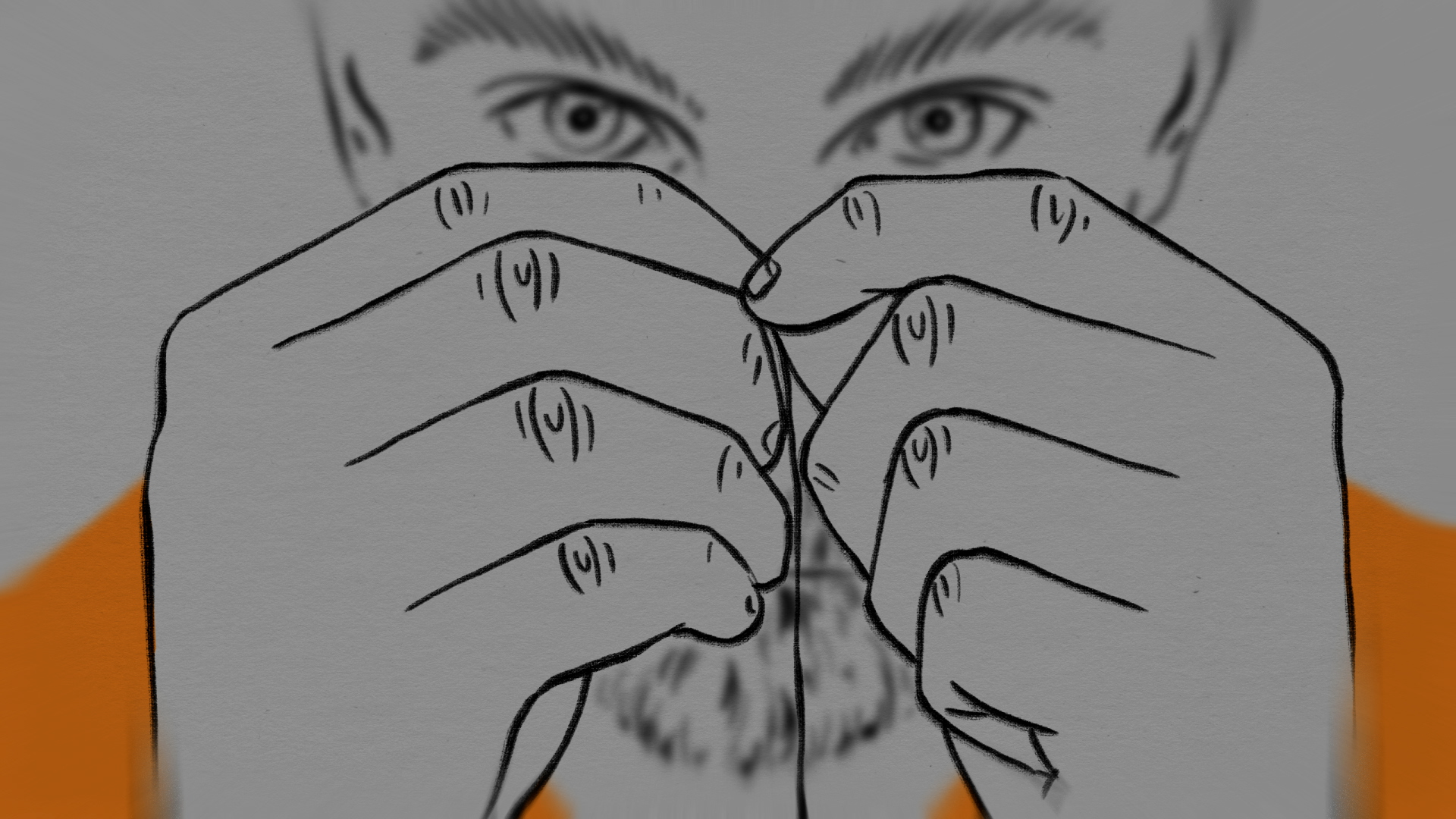

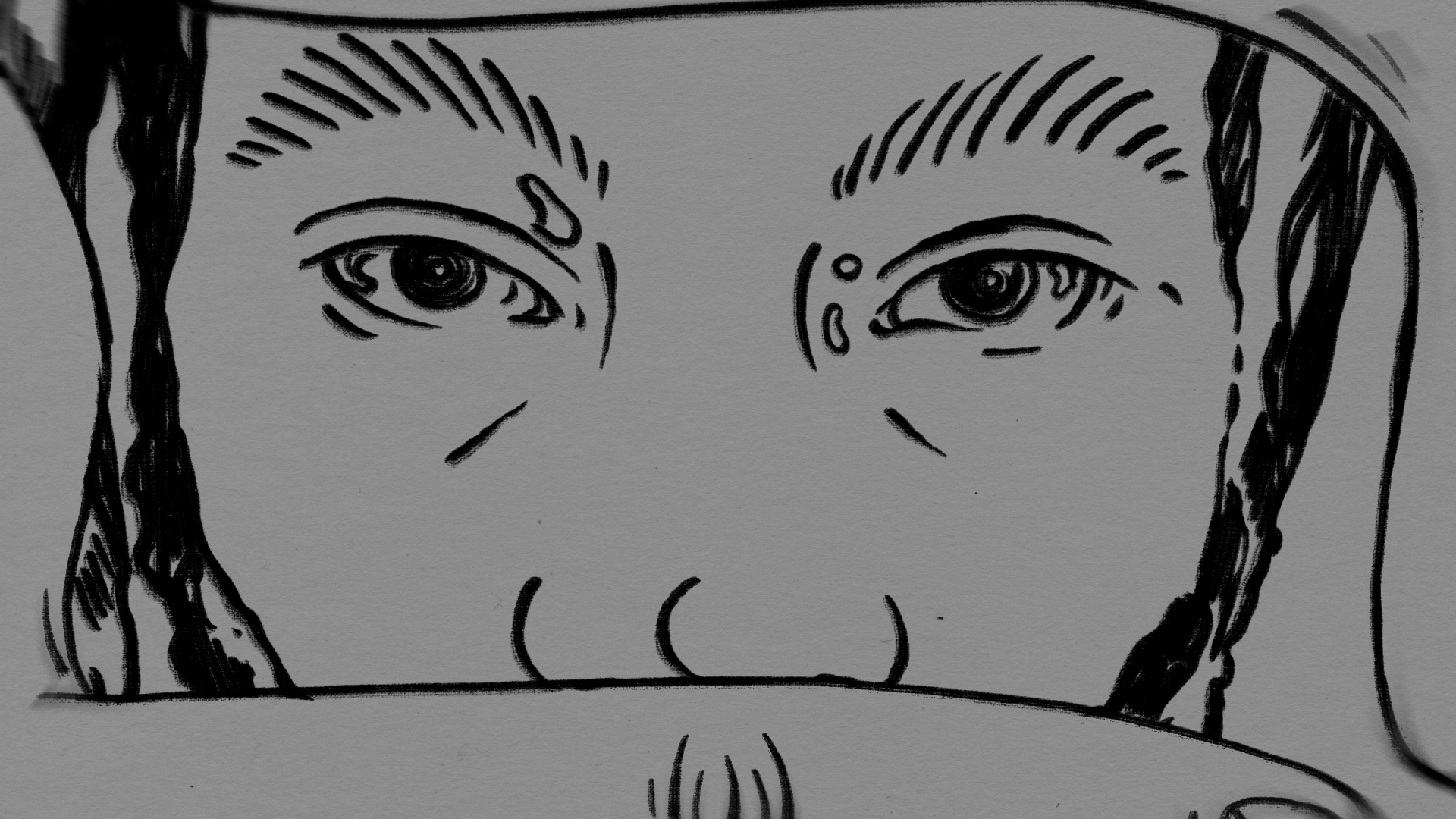
In the modest runtime of his animated short Inside, The Valley Sings, director Nathan Fagan achieves something rare: a film that is both aesthetically refined and emotionally unflinching. It begins and largely remains on quiet terms, as we hear the voices of three people who spent extended periods in solitary confinement. There are no aesthetic shocks, no heavy voice‑over narrations; instead an invitation to inhabit an inner world.
Hand‑drawn animation by Natasza Cetner renders not simply events but mental landscapes: the trapped mind, the loop of memory, the fantasy of escape. The images sweep from the intimate to the surreal walls that shift, corridors that bend, time that stretches and collapses mirroring the experiences described by the film’s subjects. In this way, the film gives form to what is typically not seen: the internal architecture of isolation.
The soundtrack crafted by composer/sound‑designer Die Hexen carries its own weight. It allows silence to speak, gives space for flickers of imagination, and underscores the film’s elegiac tone. Fagan’s editorial choices are economical yet powerful. He opts out of conventional dramatics and instead trusts the accumulation of quiet moments to build a profound emotional effect.
In a time when the very notion of justice and human rights is under strain, Inside, The Valley Sings reminds us of what the human mind can endure and what we owe those who survive. It is both a work of art and a moral statement. For viewers willing to sit in its space, it offers both sorrow and awe.
Bonnie Plight
 justcelebritymag.com