

There are films that entertain, and then there are films that change you. CAFUNÈ is one of those rare cinematic experiences that does both, capturing the heart and soul of its audience in ways that are both emotionally profound and visually spectacular. Directed by Carlos F. de Vigo and Lorena Ares, CAFUNÈ is a masterclass in animation, one that pushes the boundaries of the medium while also delivering a story that is deeply human, haunting, and hopeful.
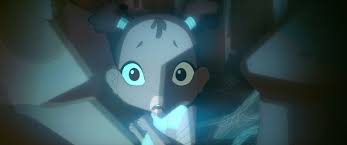
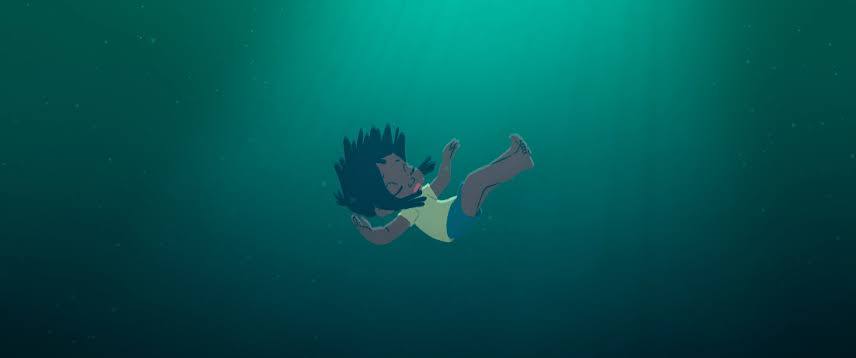
The film’s premise is deceptively simple, yet its emotional depth is anything but. CAFUNÈ follows Alma, a young refugee girl struggling to process the trauma of a shipwreck that killed everyone she knew, leaving her the sole survivor. The filmmakers expertly depict Alma’s internal conflict through visual metaphors, such as the doll that falls into the swimming pool a symbolic representation of the drowning trauma that continues to haunt Alma’s every waking moment. This moment, and others like it, are charged with emotional intensity, showcasing the filmmakers’ ability to communicate complex psychological states through animation.
What is perhaps most remarkable about CAFUNÈ is how it transcends the typical boundaries of animated storytelling. Animation has long been regarded as a medium for children’s films, yet CAFUNÈ proves that animation can be just as capable of conveying deep emotional truths and tackling heavy, adult subject matter. The film doesn’t shy away from the harsh realities of trauma, but it does so with a tenderness and grace that is rare in any genre. The delicate balance between the pain of Alma’s past and the hope for her future is masterfully handled, creating a narrative that is as uplifting as it is heartbreaking.
The visual world of CAFUNÈ is as immersive as it is haunting. Carlos Grangel’s character designs bring Alma and the world she inhabits to life with a distinct, almost ethereal quality. His artistry elevates the film to new heights, with each scene feeling like a living painting; a seamless blend of the surreal and the real that draws viewers deeper into Alma’s emotional journey. The film’s animation style is both beautiful and unsettling, mirroring the internal chaos Alma feels as she is forced to confront her past.
CAFUNÈ’s success on the international festival circuit is a testament to its universal appeal. With over 170 official selections, a Goya Award, and a special recognition from Amnesty International, the film has garnered widespread praise for its sensitivity, its artistic vision, and its ability to capture the complexities of the human condition. It is clear that CAFUNÈ is not just a film about one girl’s pain, but a reflection of the collective trauma experienced by so many refugees around the world. It is a film that reminds us of the importance of empathy and understanding, and its Oscar®-qualification only further cements its place as one of the year’s most significant animated works.
Jennifer Richards
 justcelebritymag.com