
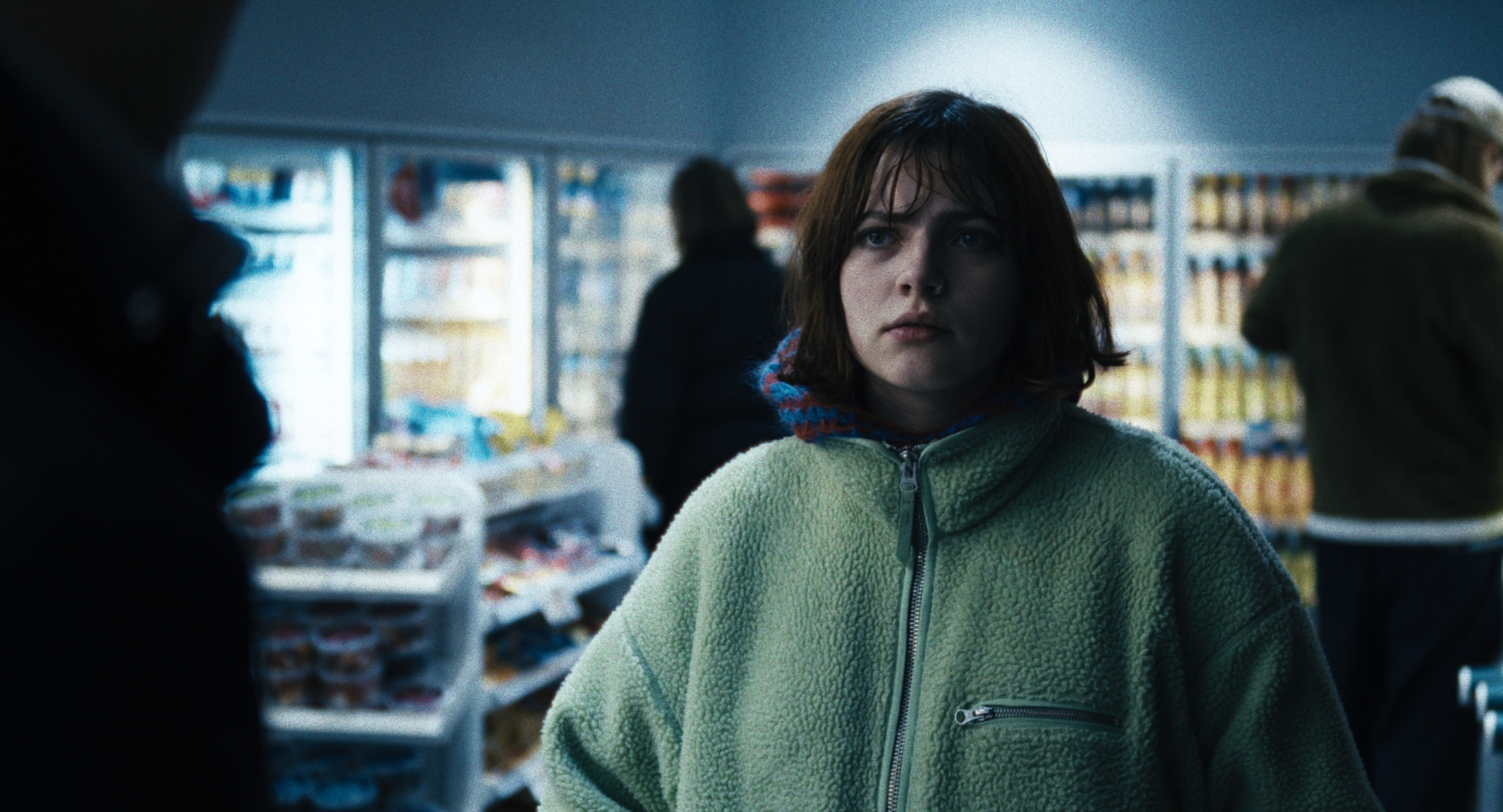
In his Oscar-qualified short film After Dark, Scottish/Norwegian director Iain Forbes once again proves why he is rapidly becoming one of the most compelling new voices in Scandinavian cinema. With an eye for tension, emotional nuance, and a striking sense of realism, Forbes crafts a story that lingers long after the credits fade, one that reminds us of the power of cinema to illuminate the uncomfortable truths we often shy away from.
At the film’s core is a deceptively simple premise: on his way home at night, Kristian (Simen Bostad) encounters Mia (Billie Barker), a young woman seemingly in distress. He offers to help, walking her toward the train station. But as the two move through the night, the situation shifts, and so does our understanding of each character. Small details become seeds of doubt. Acts of kindness warp into acts of self-protection. What begins as a gesture of empathy slowly becomes a psychological dance where fear, instinct, and prejudice flare under the streetlights.
Forbes’ direction is nothing short of brilliant. He frames the encounter with a tight, intimate lens, creating a claustrophobic atmosphere even in open spaces. Rather than relying on spectacle, he lets silence, glances, and tiny hesitations speak volumes. The effect is gripping, and deeply human. In a mere handful of minutes, After Dark delivers the emotional complexity many features never reach.
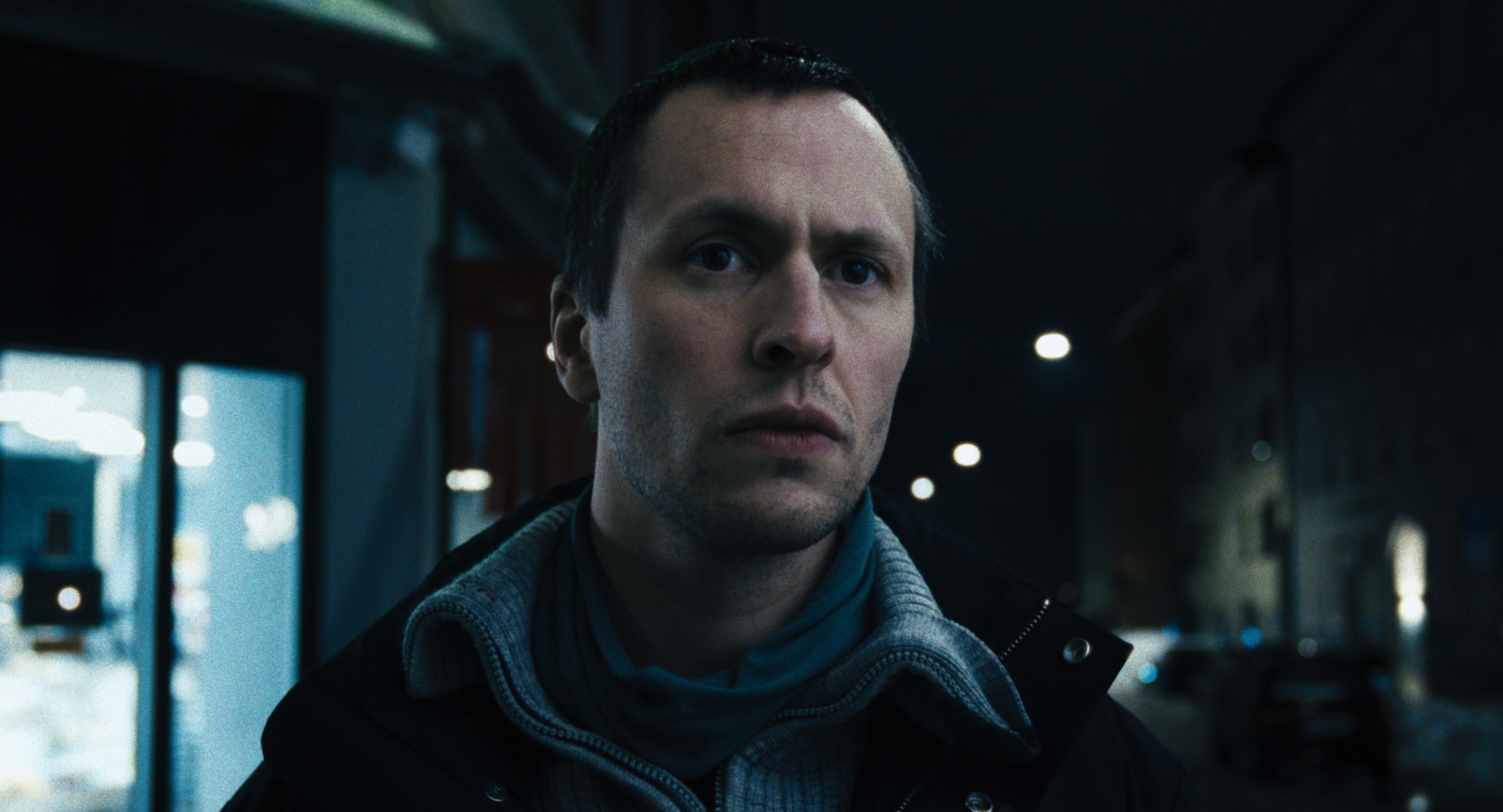
The performances elevate the film even further. Bostad gives Kristian an earnestness that frays at the edges as his internal alarms begin sounding. Barker, meanwhile, plays Mia with a subtle unpredictability, vulnerable one moment, unreadable the next. Their chemistry is electric, and their tension is painfully believable. It is the kind of acting that thrives in short-form storytelling: raw, precise, and unfiltered.
Part of what makes After Dark so compelling is how it is inspired by real-world situations, those unsettling encounters we have all heard about, witnessed, or experienced. Forbes is not interested in easy answers. He invites the audience into the moral gray zone, forcing us to question our assumptions and our own reactions. Would we stop to help a stranger in the dark? And if we did, how long before empathy becomes self-preservation?
This is where the film’s true power lies. Cinema is at its best when it holds up a mirror, showing us both who we are and who we fear we might become. After Dark does exactly that, and does it with style, intelligence, and an emotional honesty that feels increasingly rare.
The film’s impressive festival run, spanning Palm Springs, Oslo Pix, Aesthetica, Kerry, and award wins including Best International Short Film at Foyle, comes as no surprise. Forbes, already a Student Academy Award winner, demonstrates a mature command of tone and storytelling, while producer Oda Roth continues her rise as one of Norway’s most exciting emerging producers.
After Dark is more than a thriller. It is a reminder of how fragile compassion can be, and how cinema can confront the contradictions within us. This is the kind of short that stays with you, not because it shouts, but because it whispers something true.
 justcelebritymag.com