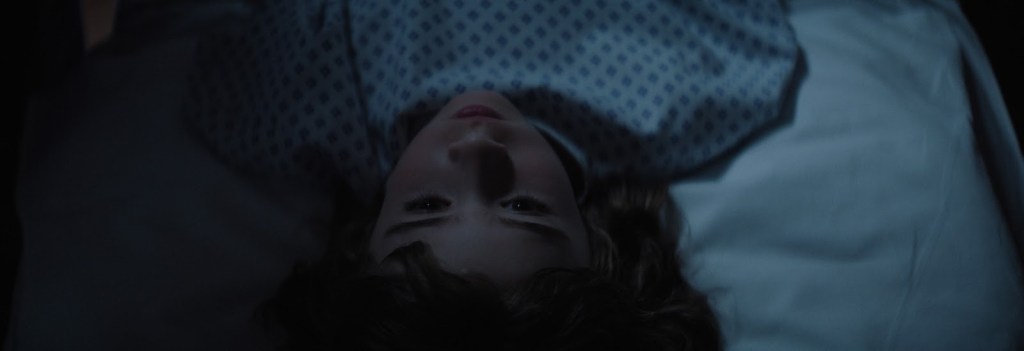
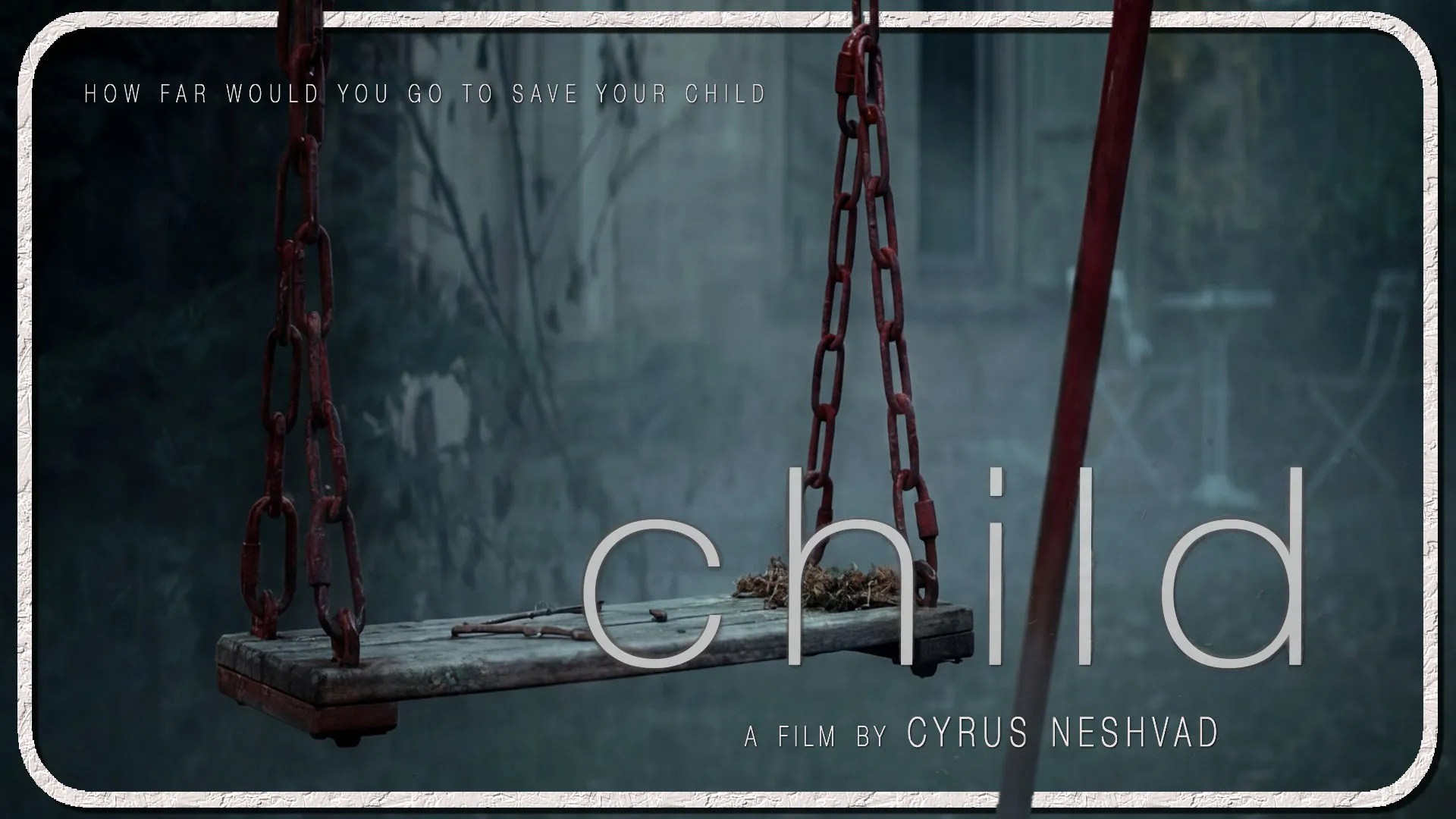
Luxembourg selects Oscar-nominated filmmaker Cyrus Neshvad’s provocative psychological horror CHILD for the 2027 Academy Awards, as the director also enters the race with his Oscar-qualified short I WILL BE ALRIGHT.
Could a psychological horror film from Luxembourg become one of the biggest surprises of the 2027 Academy Awards?
Oscar-nominated filmmaker Cyrus Neshvad is hoping to do just that with CHILD, Luxembourg’s official submission for Best International Feature Film at the 99th Academy Awards. A deeply unsettling exploration of parental love, privilege and morality, the film challenges audiences with a question that has no comfortable answer: How far would you go to save your child?
In this dark psychological horror, a father follows his wife on a mysterious journey where instinct eclipses morality, and the promise of life slowly reveals the monstrous depths of a parent’s love.
But CHILD is far more than a conventional horror film. Beneath its disturbing premise lies a powerful examination of inequality, exploitation and the consequences of a world in which the privileged can take from those who have almost nothing.
For Neshvad, the true monsters are not supernatural creatures. They are created by human actions, desperation and the inequalities that allow the powerful to exploit the vulnerable.
Inspired by a world in which wealthy nations take what they need from those with far fewer resources, Neshvad pushes that reality to its most terrifying extreme. What happens when saving your own child means taking something from the child of someone who has nothing?
It is an uncomfortable question, and one that transforms CHILD from a psychological thriller into a disturbing reflection of the world we live in.
The filmmaker also explores how exploitation can create the very monsters society later comes to fear. Those pushed beyond their limits by injustice and desperation may ultimately turn against the world that created their suffering.
At the heart of the film is an extraordinary moral dilemma: Should a mother follow her deepest instinct to protect her child, even if doing so means crossing an unforgivable moral boundary?
Is morality above instinct, or is instinct above morality?
It is a question that runs through Neshvad’s work, including his latest short film, I WILL BE ALRIGHT, which is also Oscar-qualified for 2027 and in contention for Best Live Action Short Film.
The short follows Laïla, a 16-year-old refugee facing deportation to the Iranian regime she fled. In a devastating irony, she stands dressed as the Statue of Liberty in a country where her only freedom is the costume she wears.
Although the two films inhabit very different worlds, they share a striking thematic connection. Both explore what happens when survival, humanity and moral responsibility collide, forcing individuals to confront impossible choices.
With CHILD, Neshvad uses horror to examine the darkness that can emerge from love itself. With I WILL BE ALRIGHT, he turns his attention to the vulnerability of those caught between political systems and the instinct to survive.
Together, the films reveal a filmmaker unafraid to confront some of society’s most difficult questions through emotionally charged storytelling.
Horror has often been overlooked in major awards conversations, but CHILD makes a compelling case for the genre’s ability to confront serious social issues while delivering an unforgettable cinematic experience.
And with an Oscar nomination already to his name, Neshvad is no stranger to the Academy.
Could Luxembourg’s psychological horror become an unexpected contender for Oscar glory?
If CHILD connects with Academy voters as powerfully as its themes demand, it could prove that some of cinema’s most important stories are also its most terrifying.
One thing is certain: Cyrus Neshvad is bringing two very different films to the 2027 Oscar race, both asking the same haunting question.
When survival is at stake, what matters more: morality or instinct?
Mark Johnson 10/10


Leave a Reply